
Last updated: November 2026. By Mia Sgarlato, founder of Pet Passport Club
Flying to Europe with a dog from the US is very doable, but the airline you pick matters more than almost anything else. Most US carriers have pulled back on pets in the hold, so the real question isn't "can my dog go to Europe?" It's "which airline will actually take my dog, and where on the plane?"
I flew Poppy to Spain in summer 2026 in the cabin with a USDA-endorsed EU health certificate, so this is written from the seat next to her carrier. If you want the paperwork side first, our Europe travel guide covers the vet steps. This post is about the flight.
Short answer: Yes, you can take your dog to Europe from the USA. Small dogs (about 8 kg / 17.6 lb including the carrier on most airlines) can fly in the cabin. Bigger dogs usually need a European airline like Lufthansa, Air France, KLM or Condor, because Delta and United only accept checked pets for military and State Department travelers.
Who this is for: US owners planning a trip or move to Europe who need to figure out which airline and which part of the plane will work for their dog.
Can I Take My Dog to Europe From the USA?
Yes. The EU doesn't quarantine healthy pet dogs coming from the US, and there's no titer test for a direct trip from the US. What you need is:
An ISO-compliant microchip, implanted before the rabies vaccine
A valid rabies vaccine given at least 21 days before travel (if it's the first one)
A USDA-endorsed EU health certificate, issued by a USDA-accredited vet
An airline that will take your dog on your route
That last one is where most plans fall apart. The paperwork is the same for every EU country. The airline options are not.
The 2026 EU rule changes you need to know
Two things changed this year. The new EU rules (Regulation 2026/131) took effect April 22, 2026, and new non-commercial health certificates became mandatory on October 1, 2026. If your vet has an old form saved, it's the wrong one now (USDA's page for each EU country has the current version).
The second change affects people who were planning to ship a dog separately. Under the new rules, your dog has to travel within 5 days of you (or a person you've authorized in writing) to use the non-commercial certificate. If your dog flies unaccompanied outside that window, it's treated as a commercial move, with a harder certificate and stricter timing.
If you're flying this year, we keep our EU guide updated with the current forms and timing, so you're not working off last year's info.
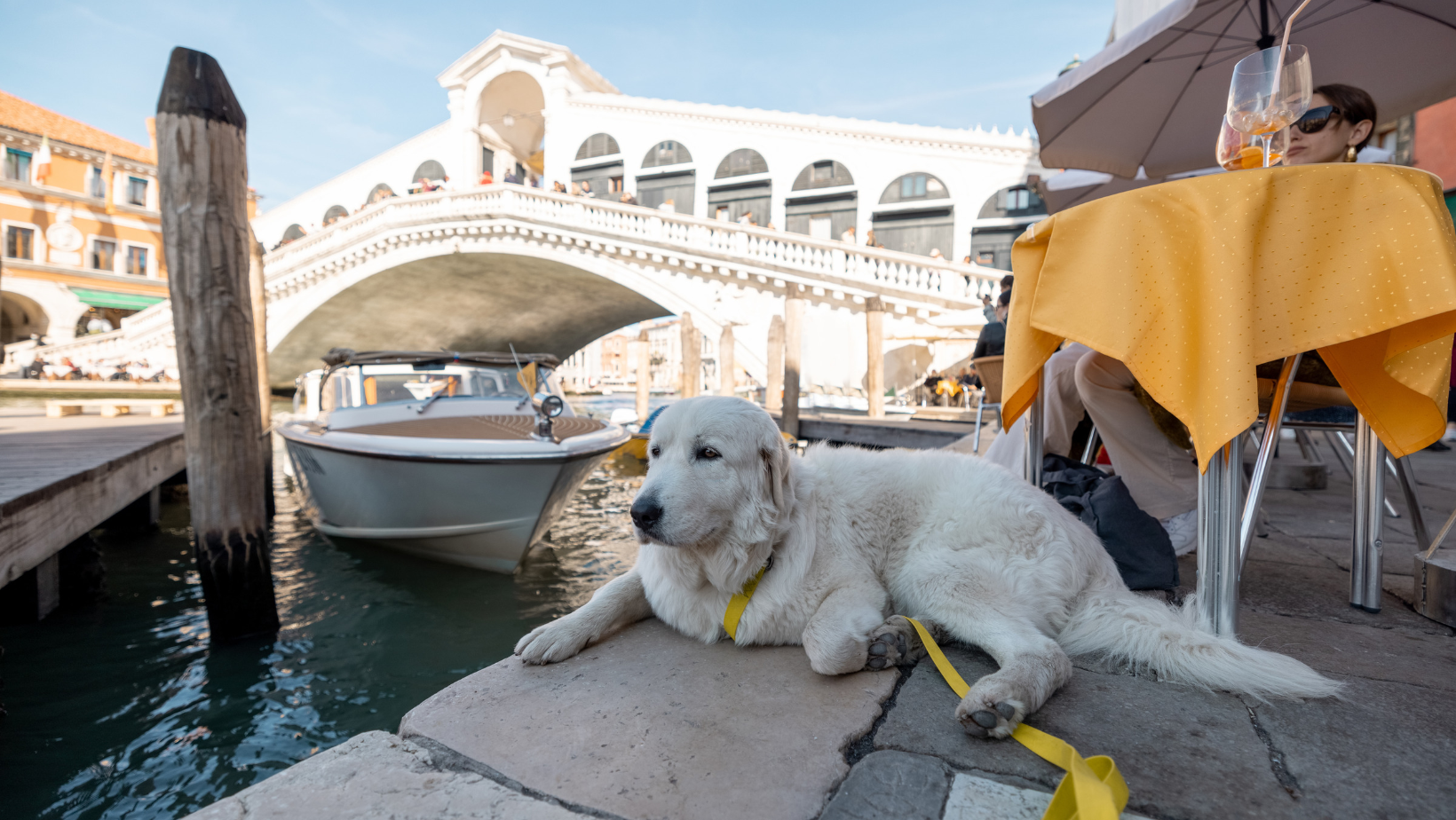
Three Ways a Dog Can Fly to Europe
Before you look at airlines, you need to know which of these your dog is:
1. In the cabin. Your dog rides in a soft carrier under the seat in front of you. On almost every transatlantic airline, the limit is about 8 kg (17.6 lb) for dog and carrier combined. Poppy is about 10 pounds, so she fits with room to spare.
2. In the hold as checked baggage. Your dog flies in a hard IATA crate in a pressurized, temperature-controlled section of the hold, on the same flight as you. You check them in at the counter. This is what most medium and large dogs need.
3. As manifest cargo. Your dog is booked through the airline's cargo division, usually through a freight forwarder, and handled at a cargo terminal. This is required for very large dogs and for dogs flying on a different schedule from you.
The difference between 2 and 3 trips a lot of people up. "Cargo hold" and "cargo" sound like the same thing. They're not, and they're booked completely differently. Our pet cargo flights to Europe post breaks down how manifest cargo actually works.
Which Airlines Fly Dogs to Europe From the US?
Here's where the US and European carriers split. I've put the main transatlantic options in one table so you can compare. These are the most commonly reported limits as of November 2026, and you need to call the airline to confirm before you book. Pet policies change often, and the website isn't always current. Write down who you spoke to and when.
Swipe to see more →
| Airline | Cabin (dog + carrier) | Checked in hold | Notes |
|---|---|---|---|
| Lufthansa | 8 kg | Yes | Register hold pets 72+ hrs ahead; snub-nosed breeds as manifest cargo only; strong breeds need a custom wood kennel |
| Air France | 8 kg | Yes, 8 to 75 kg with crate | Add pet 24+ hrs ahead; no snub-nosed breeds as checked baggage |
| KLM | 8 kg | Yes, up to 75 kg with crate | Connection-time limits at Amsterdam |
| Condor | 8 kg | Yes | Limited pets per flight, book early |
| Delta | Yes, limited | Military / State Dept only | Cargo also military/State only |
| United | Yes, limited | Military / State Dept only | Cargo also military/State only |
| American | No transatlantic cabin pets | Military / State Dept only | Accepts pets as manifest cargo through the PetEmbark program |
The pattern is pretty clear. If your dog is too big for the cabin, you're almost always flying a European airline. Lufthansa, Air France and KLM are the workhorses for US-to-Europe dogs in the hold, and Condor is a good option on the routes it flies.
For a deeper look at how each airline handles pets, see our airline and cargo policy guide.
Dog in Cabin on International Flights to Europe
If your dog fits under the seat, cabin is usually the easiest, cheapest, and least stressful way to fly to Europe. A few things to know:
The 8 kg limit includes the carrier. A 15-pound dog in a 3-pound bag is already over. Weigh them together.
Cabin spots are limited per flight. Most airlines cap the number of pets in the cabin, so add your dog when you book your own seat, not a week later.
Carrier size limits vary. Lufthansa allows a roomier 55 x 40 x 23 cm carrier, while Air France and KLM list about 46 x 28 x 24 cm. A carrier that works on one may not fit the other.
Your dog stays in the carrier the whole flight, including taxi and boarding.
Can my dog fly business class to Europe?
Sometimes, but it depends on the seat, not just the airline. Lie-flat business pods often don't have under-seat space that fits a carrier. Some airlines say yes in business, some don't, and a few say yes only on certain aircraft. We dug into every major carrier in our post on dog business class airlines.
Flying a Larger Dog to Europe in the Hold
For dogs over the cabin limit, checked baggage on a European airline is the most common route. What makes or breaks it:
Nonstop beats connecting. Every connection adds time on the tarmac, transfer handling and another chance for a missed connection. If there's a nonstop from your city to Frankfurt, Paris or Amsterdam, take it.
Connections have rules. KLM, for example, limits how long a pet can sit in a connection at Amsterdam before it has to go through cargo instead. If your trip mixes airlines, ask each one how the transfer works, because you may have to collect your dog and check them in again.
Snub-nosed breeds are a separate problem. Lufthansa, Air France and KLM won't take most brachycephalic dogs as checked baggage. Some can still fly as manifest cargo: Lufthansa Cargo accepts them, but restricts certain breeds when it's hot at the departure or arrival airport. If you have a Frenchie, pug or bulldog, read our post on snub-nosed dogs flying before you book anything.
Season matters. Summer heat and winter cold both trigger embargoes, especially on connections through hot or cold US hubs. Check our airline heat embargo guide if you're flying between May and September.
Lufthansa's custom wood kennel rule for strong breeds
If you have a Rottweiler, an American Bulldog or another breed Lufthansa classes as a "strong" or "fighting" breed, a regular plastic crate won't get you on the plane. Lufthansa only flies these breeds in the hold, in a custom-built wooden kennel.
Lufthansa's rules for strong breeds list the breeds and the kennel specs. The breeds include:
Rottweilers
American Bulldogs
Dogo Argentinos
Kangals (Anatolian Shepherds)
Caucasian Shepherds
Crosses of any of these
The kennel has to have a frame of wooden or steel beams at least 25 x 25 mm, solid wood walls at least 12 mm thick, and be bolted or screwed together. Since March 1, 2026, Lufthansa Cargo doesn't accept metal kennels for these breeds. Puppies between 3 and 6 months are the exception and can use a standard crate.
American Pit Bull Terriers, American Staffordshire Terriers, Staffordshire Bull Terriers and Bull Terriers work a little differently. Lufthansa won't take them as checked baggage, but they can fly as manifest cargo through Lufthansa Cargo in the same kind of reinforced wood kennel.
KLM is more flexible on the kennel. KLM won't take American Pit Bull Terriers or American Staffordshire Terriers as checked baggage, but it does accept them as manifest cargo in a standard plastic IATA kennel, so you don't need a custom wood one. That's how I've booked clients' dogs to Ireland. You can check KLM's current breed rules on its pet reservation page.
When you book these dogs on KLM, make sure the routing goes through Amsterdam, not Paris. KLM and Air France are part of the same group and can route cargo through either hub, but France bans pit bull type dogs, and the ban covers simply transiting through the country. (The narrow exception is a pedigreed American Staffordshire Terrier registered with a kennel club France recognizes, which comes with its own strict rules.) Confirm the Amsterdam routing in writing before you book.
One more thing to know if you're headed to Germany: American Pit Bull Terriers, American Staffordshire Terriers, Staffordshire Bull Terriers and Bull Terriers can't be imported into the country, though connecting through Frankfurt or Munich to somewhere else is allowed.
Custom wood kennels take time to build and ship, so order yours as soon as you know your travel date.
Getting the route, crate size and airline rules lined up is honestly the part people find most stressful. If you'd like help, our Co-Pilot Concierge sorts out the airline confirmations and vet timing with you, so you're not guessing.
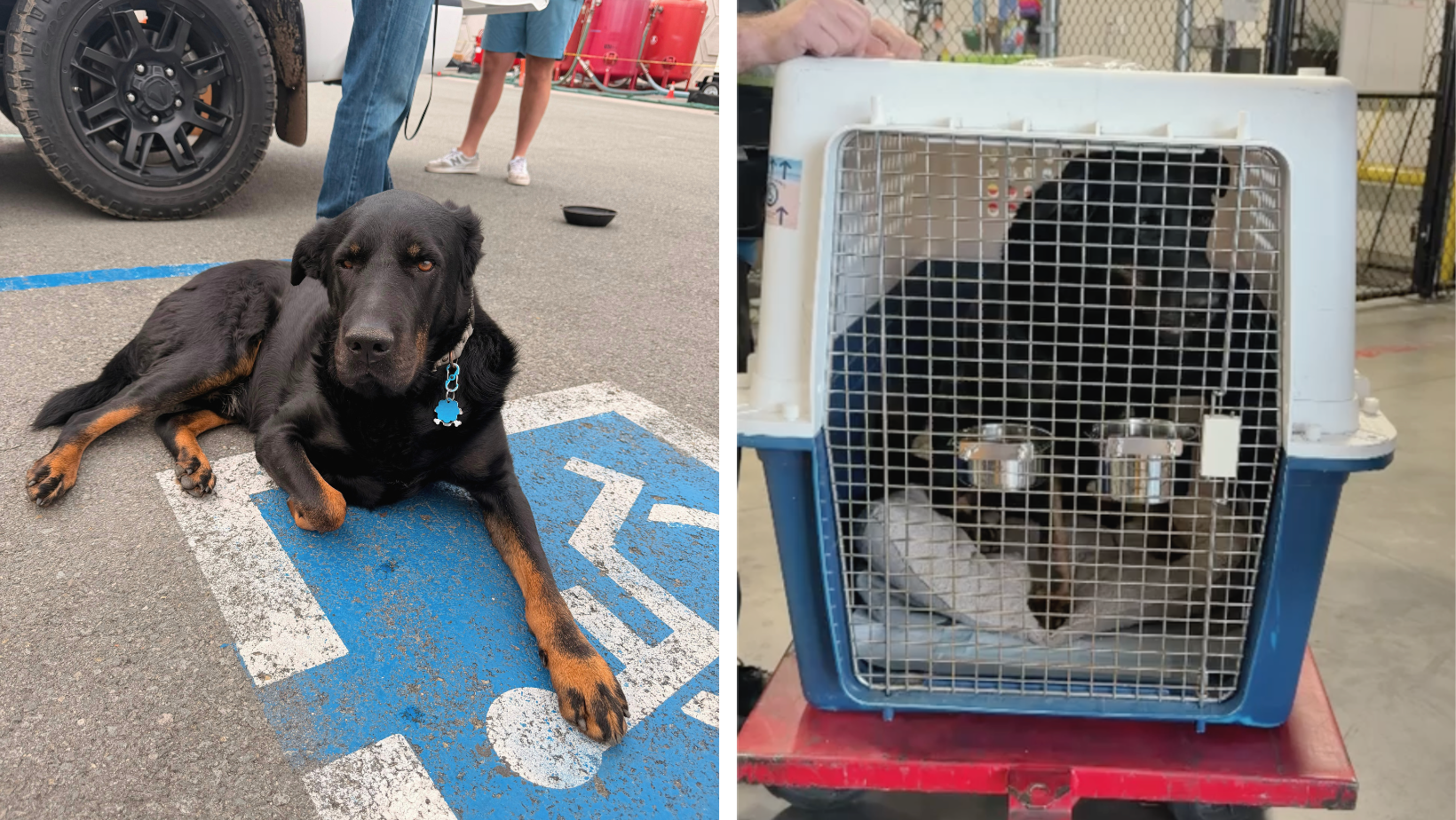
How Far in Advance to Plan a Flight to Europe With Your Dog
Start 2 to 3 months out. That gives you time to:
Confirm the microchip and rabies vaccine dates work
Pick an airline and get pet space confirmed on your exact flight
Book the vet appointment for the health certificate (it has to be issued within 10 days of arrival)
Get USDA endorsement back in time
Buy and crate-train with an IATA crate if your dog's flying in the hold
The health certificate window is tight, but it's predictable. The airline space is what fills up.
Common Mistakes When Flying to Europe With a Dog
Booking your own ticket before confirming pet space. Cabin and hold spots run out. Confirm your dog first, then pay for your seat.
Assuming a US airline will take a large dog. Delta and United won't unless you're military or State Department.
Using the old EU certificate. Since October 1, 2026, only the new form works.
Shipping your dog more than 5 days apart from you and expecting the non-commercial certificate to cover it.
Weighing the dog without the carrier. The cabin limit is the total.
Showing up to Lufthansa with a strong breed in a plastic or metal crate. It has to be a custom wood kennel.
Letting a pit bull or AmStaff get routed through Paris on KLM. France doesn't allow them, even in transit. Confirm the routing goes through Amsterdam.
Not calling the airline. The website is a starting point. The phone call is what counts on travel day.
Flying to Europe With Your Dog FAQ
-
Yes, if your dog and carrier together come in under the airline's limit, usually 8 kg (17.6 lb). Lufthansa, Air France, KLM, Delta and United all allow small dogs in the cabin on many transatlantic routes. American doesn't on transatlantic flights.
-
For most US owners, it's a European carrier: Lufthansa, Air France or KLM, all of which take dogs in the hold as checked baggage. Which one is "best" depends on your departure city, whether there's a nonstop, and your dog's breed.
-
No. Healthy dogs from the US that meet the EU's microchip, rabies and health certificate rules don't quarantine on arrival.
-
It can, but it changes the paperwork. If your dog travels more than 5 days before or after you (or an authorized person), it's a commercial move under the 2026 EU rules, with a different certificate and stricter requirements.
-
Cabin fees on transatlantic routes typically run about $150 to $200 each way. Checked-in-hold fees vary more by airline and route, often a few hundred dollars. Manifest cargo usually costs more, since it involves a forwarder. Call your airline for your exact route.
-
Not from the US. US dogs use a USDA-endorsed EU health certificate. An EU pet passport is only issued to pets living in the EU.
Ready to Plan Your Flight to Europe?
Flying to Europe with a dog mostly comes down to two decisions: where on the plane your dog will ride, and which airline will actually take them on your route. Get those right early and the rest is a checklist.
If you want a second set of eyes on your plan, we offer 1-hour consult calls to help with exactly this sort of thing. If you'd rather DIY, our EU guide walks you through every step.
Your next adventure starts with the right paperwork. Let's get it sorted.
— Mia + Poppy
