
Last updated: November 2026. By Mia Sgarlato, founder of Pet Passport Club
The rabies titer test is the one step that decides when your dog can fly to Australia, and it's also where one typo can cost you months. This is the story of a client moving three golden retrievers from Florida to Melbourne. One mistake on one dog's titer paperwork meant two dogs flew on schedule and the third had to wait.
If you're early in your own Australia move, think of this as the "here's what can actually happen" companion to our full guide on taking a dog to Australia.
Short answer: Australia counts its 180-day wait from the day the lab receives a passing rabies titer test sample (0.5 IU/mL or higher). Australia won't accept an amended titer report, so if anything on it is wrong (like the microchip number), you have to do the whole test again. If that new test fails, you revaccinate, wait, retest, and the 180-day clock starts over. That's what happened here: two dogs flew in November 2026 as planned, and the third won't fly until February 2027.
Who this is for: US dog owners preparing for Australia who want to see how the titer and identity steps go sideways in real life, and why it pays to get help early.
What the Rabies Titer Test Does for an Australia Import
The rabies titer test (Australia calls it the RNATT, or Rabies Neutralising Antibody Titre Test) is a blood test that proves your dog's rabies vaccine actually worked. Australia needs a result of at least 0.5 IU/mL from an approved lab.
Here's why it matters so much. The 180-day wait doesn't start when the blood is drawn. It starts when the lab receives the sample. Your dog can't be exported to Australia until at least 180 days after that date.
A few more rules stack on top of it:
The result is only valid for 12 months from the blood draw, so it has to still be valid on the day your dog flies (DAFF's rabies vaccination and tests page spells this out).
Your dog's rabies vaccination has to stay valid the whole time, from the titer draw through export. One lapse and you're starting over.
The microchip number has to match on everything. The blood tube, the lab form, the lab report, the RNATT declaration and the permit.
Australia doesn't accept amended RNATT reports. If there's a mistake on the report, the lab can't just correct it. You redo the test.
Identity verification has to happen before the blood draw if you want the 10-day quarantine minimum instead of 30 days. We covered that process in our post on Australia pet identity verification.
Read that list again and you can see the problem. Every rule is tied to every other rule. If one piece slips, every date after it slips too.
The Case: Three Golden Retrievers, Florida to Melbourne
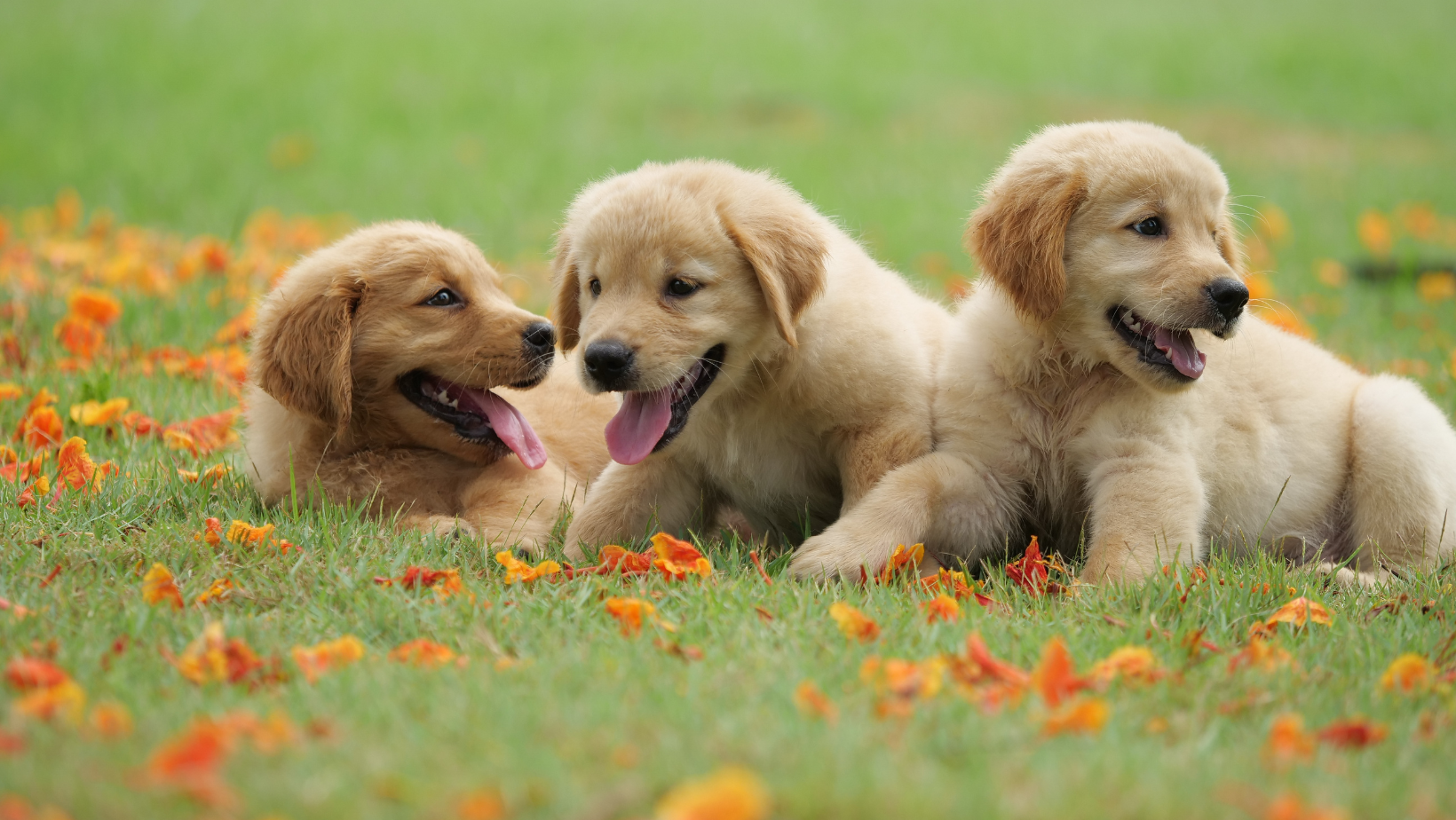
My client lives in Australia and had three young golden retrievers being raised in the US. The goal was to fly all three to Melbourne in November 2026.
He started the process himself with the dogs' vet in May 2026. By July, appointments had happened, blood had been drawn, and he believed everything was pretty much done or at least well underway.
I came on board in July 2026. The first thing I did was ask for the records and go through every document. That's when we found the problems.
What we found in the identity verification paperwork
The identity scans had been done, but the declarations had never been sent to USDA for endorsement. That's a big deal, because Australia's identity verification runs on a deadline. The final declaration has to be endorsed within three months of the first scan, and we were close to the limit.
The vet owned the mistake (missed appointments and a sick dog had thrown off their schedule), and we moved fast. Parts 1 and 2 went to USDA for endorsement, and we got Part 3 endorsed before the deadline.
What we found in the rabies titer test results
This one we couldn't save. One dog's titer had been drawn in May 2026, and it passed. But the vet had entered the wrong microchip number on the paperwork.
Because Australia won't accept an amended RNATT, a passing result with the wrong chip number is useless. DAFF's own guidance says a new test from a fresh blood sample is required if the microchip number is wrong (DAFF industry advice on incorrect microchip numbers).
So as soon as we caught it, we drew blood for a new test with the correct chip number. A few weeks later, the result came back. She failed.
She was still a puppy. The first draw had been taken right after her vaccine, when her antibody levels were high. By the time of the redo, they'd dropped below the threshold. That happens more than people think with young dogs.
What a Failed Rabies Titer Test Means
A failed rabies titer test means three things:
Revaccinate against rabies.
Wait a few weeks before drawing blood again.
Retest. If it passes, the 180-day clock starts over from the new lab receipt date.
That third step is the one that hurts. For this dog, the six-month clock started over. We asked DAFF whether she could stay on the original timeline, and they said no.
The other two dogs flew to Melbourne in November 2026, right on the original plan. She'll fly in February 2027.
Why you can't fix this after the fact
Once a titer mistake happens, there's nothing you can do to undo it. You can't amend the report, and you can't speed up the 180 days. The only fix is to catch it before it happens.
That's why getting help early matters so much. If someone had reviewed the paperwork in May instead of July, the chip number would have been caught before the sample ever went to the lab. If you're just starting an Australia move, our 1-hour consult calls are a good place to have someone check your plan and paperwork before anything gets sent.
How the Rest of the Move Came Together
With the paperwork cleaned up, the rest of the plan for the first two dogs fell into place:
Import permits: DAFF sent the permit invoice, my client paid, and the permits came through about 20 days later.
Earliest fly date: The lab received the first two dogs' samples on May 19, 2026, so November 15, 2026 was the earliest they could fly.
Quarantine: We booked Mickleham, Melbourne's post-entry quarantine facility, for late November, then counted back 45 days to schedule the final vet tests and treatments.
Routing: The dogs flew Miami to Los Angeles first, then on to Melbourne on Qantas.
The third dog: On her own timeline now, flying February 2027.
Rabies Titer Test Timeline for Australia (How the Dates Stack)
Here's how the key dates connect for a US dog going to Australia. This is the sequence that has to hold, and where one slip pushes everything after it.
Swipe to see more →
| Step | Timing rule | What breaks it |
|---|---|---|
| Microchip | Before any rabies vaccine counts | Chip implanted after the vaccine |
| Identity verification (Parts 1 to 3) | Both scans before the blood draw; final declaration endorsed within 3 months of the first scan | Declarations never sent to USDA |
| Rabies titer test blood draw | After vaccination, chip scanned and number recorded on tube and form | Wrong chip number (can't be amended, test must be redone) |
| 180-day wait | Counts from the day the lab receives the sample | A failed result restarts it |
| Import permit (BICON) | After the RNATT declaration is endorsed | Errors in any submitted document |
| Final 45 days | Pre-export tests, treatments, health certificate | Missing the windows |
| Flight | 180+ days after lab receipt, while the titer is still valid (12 months) | Titer expires before the flight |
The takeaway: the titer isn't one appointment. It's the anchor for every date after it, which is why one digit on a lab form cost this dog three extra months.
Common Rabies Titer Mistakes on Australia Moves
These are the ones I see most, including two from this exact case:
Wrong microchip number on the lab paperwork. Have the vet scan the chip at the blood draw and read the number back off the tube and form before the sample ships. Australia won't accept a corrected report.
Drawing blood too soon after a puppy's first vaccine. It can pass, but levels can drop fast. If you ever need a redo, a young dog may fail.
Signed forms that never reach USDA. A declaration your vet filled out isn't valid until USDA endorses it. Ask for confirmation it was submitted.
Letting the rabies vaccine lapse anywhere between the titer draw and the flight.
Booking flights off the blood draw date instead of the lab receipt date.
Waiting to get help until something looks wrong. By then, the mistake has usually already cost you time.
If you'd rather not be the one tracking all of this across a vet, USDA, DAFF and an airline, our Full-Service Concierge handles the vet coordination, permits, quarantine booking and cargo reservation for you. We never take physical custody of your dog, but we manage the moving parts so you're not chasing them.
Rabies Titer Test for Australia FAQ
-
Twelve months from the date the blood is drawn. It has to still be valid on the day your dog is exported, so if your timeline stretches past a year, you'll need a new test.
-
You revaccinate, wait a few weeks, and retest. If the new test passes, the 180-day wait starts over from the new lab receipt date. In practice, a fail usually pushes your move back by at least six months from the new draw.
-
No. If anything on the report is wrong, including the microchip number, the lab can't correct it. You need a new test from a fresh blood sample.
-
The lab. It starts the day the lab receives the sample, which is usually a few days after the draw. Plan your flight off that date.
-
Six months to a year. The 180-day wait alone takes six months, and that only starts once the identity verification and titer are done correctly.
-
Yes. Each dog has its own chip, its own titer, its own declaration and its own 180-day clock. With multiple dogs, their dates can split if one result has a problem, which is exactly what happened here.
Planning Your Own Dog's Move to Australia
Australia isn't impossible. It's just unforgiving. Once a titer or identity step goes wrong, there's usually no shortcut back, so the owners who get there on time are the ones who get their paperwork checked before anything is submitted.
I'm going through this same process with Poppy right now for our own move, so I'm living these clocks too. If you want help sequencing yours, book a consult call and we'll build your timeline together.
The paperwork is the hardest part. We've got it covered.
Mia + Poppy
