
Winter Airline Embargoes for Pets: Cold Weather Rules by Destination
Last updated: September 2026. By Mia Sgarlato, founder of Pet Passport Club
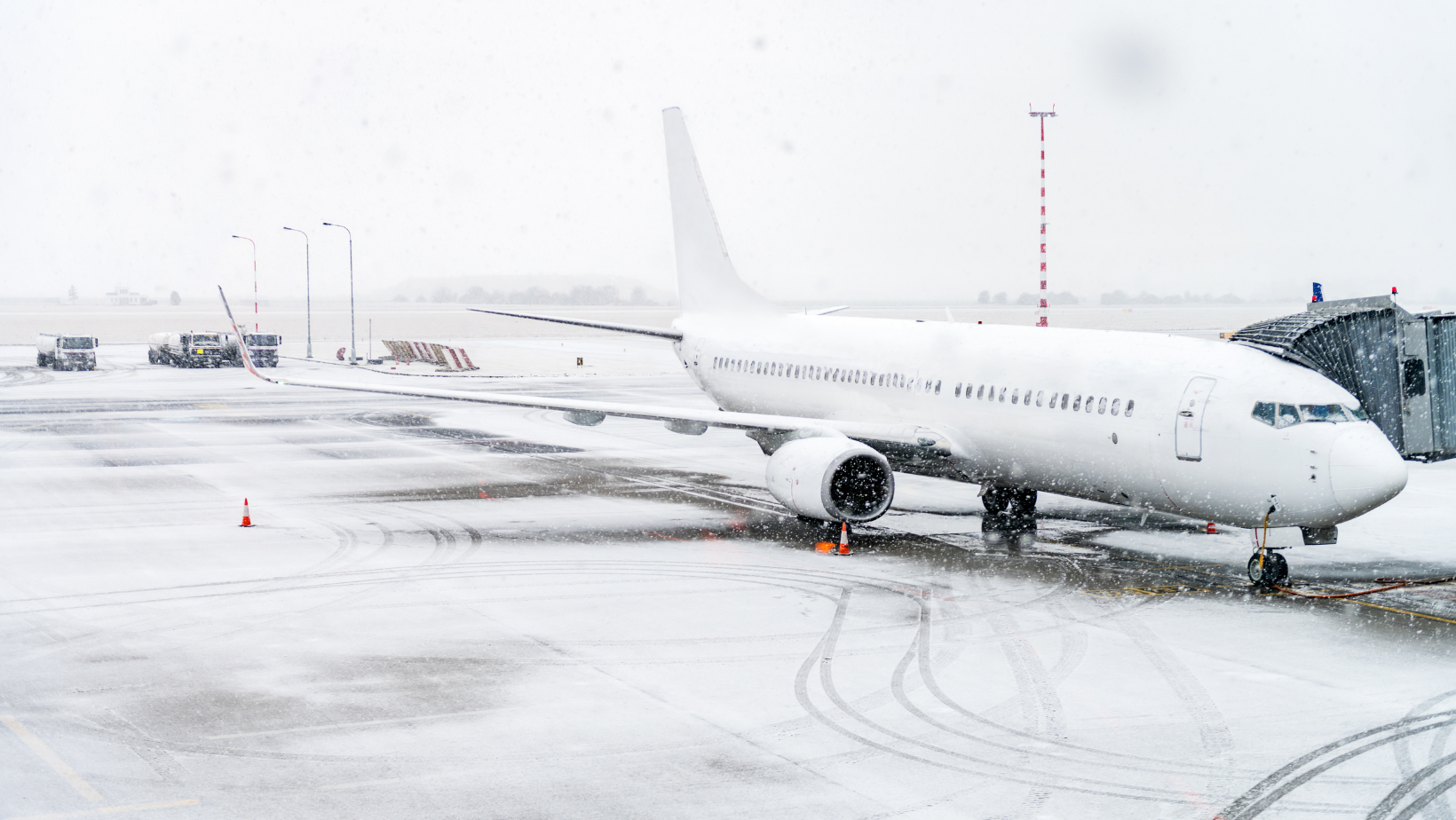
Winter is the season most people assume is safe for flying a dog in the hold. No tarmac heat, no desert hubs, no 85-degree cutoff. Then a January cold snap hits Chicago, the forecast drops below 20°F, and the airline pulls the pet off the flight the night before.
Winter airline embargoes for pets are quieter than the summer ones, but they follow the same logic, and they come with one piece of paperwork summer doesn't have.
Short answer: Airlines won't load a pet into the hold if the forecast at any airport on the route is below 45°F, unless your vet signs an acclimation certificate stating the exact lowest temperature your pet can handle. Even with that letter, almost no airline will fly a pet below 20°F. Delta goes to 10°F but blocks three mountain airports from November through March. Alaska blocks checked pets to Hawaii in February, caps them at one per plane for most of the winter, and bans them on its regional flights over the holidays. Cabin pets aren't affected, and for hold pets, winter is often the best time of year to fly to Europe, Mexico, or the Caribbean.
Who this is for: This is for anyone flying a dog or cat in the hold or as cargo between November and March, and anyone whose route touches a northern hub in that window.
What Temperature Can Dogs Not Fly At in Winter?
The cold floor comes from the same place as the summer ceiling: USDA's Animal Welfare Act transport rules, which say a dog or cat shouldn't sit below 45°F for more than four hours in a holding area, or more than 45 minutes moving between the terminal and the plane. Airlines apply it as a forecast check at every airport on the itinerary.
The winter version has three layers:
Above 45°F: normal rules, no extra paperwork.
20°F to 44°F: your pet can fly only with an acclimation certificate from your vet.
Below 20°F: no pets in the hold, letter or not, on American, Alaska, Hawaiian, Air Canada, and Aeromexico. Delta's floor is 10°F.
The 45°F line is soft. The 20°F line is hard. That distinction is the whole difference between a winter flight that needs one vet letter and a winter flight that needs a new date.
Cabin pets are exempt from all of it. A dog under the seat is in the same heated cabin you are, so the forecast check never applies. Everything below is about pets in the hold.
How an Acclimation Certificate Works
An acclimation certificate is a signed letter from a licensed vet stating your pet is acclimated to temperatures below 45°F and naming the lowest temperature it can be exposed to. It attaches to the health certificate and it's the only reason a pet can fly in the hold on a cold day.
What the airlines want on it:
An exact number, not a range. American's wording is specific: "the animal(s) in this shipment is acclimated to a temperature of [exact temperature between 20 and 44 degrees Fahrenheit]."
The vet's signature, USDA accreditation number, and date.
Your name, and the pet's ID (microchip number works).
A recent date. Most airlines want it inside the same 10-day window as the health certificate, so get both signed at the same visit.
A few things the certificate doesn't do. It won't get your pet below 20°F anywhere. It won't override a seasonal airport embargo. And your vet can decline to sign it. The AVMA tells vets to use their own judgment and to consider advising against shipping at all if the airline can't meet the welfare standard, so a short-coated dog or a senior cat may not get the letter. Ask your vet before you book, not after.
Getting the acclimation letter, the health certificate, and the USDA endorsement to line up inside one 10-day window is where winter bookings go sideways. If you want someone to sequence it, that's what our consult calls are for.
Which Airlines Have Winter Pet Embargoes
Most carriers rely on the forecast check alone in winter. A few add fixed seasonal blocks. Here's what's published as of September 2026.
The takeaway is that the fixed winter embargoes are specific and easy to miss: Delta's three ski-town airports, Alaska's holiday block on regional flights, and Alaska's February shutdown of checked pets to Hawaii. Everything else is a day-of forecast call at 45°F and a hard stop at 20°F. The European carriers don't publish a cold cutoff at all, which doesn't mean there isn't one.
Then there are the embargoes nobody publishes in advance. During a late-January cold snap, Alaska abruptly stopped accepting pets in the baggage compartment at 22 airports across the Midwest and East Coast, from Chicago and Minneapolis to JFK and Atlanta, for about a week, with a notice that went up the day before.
Which is why the rule from the summer post applies twice as hard in winter: call the airline and confirm. Embargo policies change often, sometimes overnight during a cold snap, and they're not always published online. The website is where you start. The pet desk is where you get the answer, and write down who you spoke to and when.
Winter Pet Cargo Rules by Destination
Winter flips the summer map. The hot destinations become the easy ones, and the problem moves to the US departure airport and the connection.
Europe
Winter is the best time to fly a hold pet to Europe. Frankfurt, Amsterdam, and Paris hover in the 30s and 40s in January, the animal facilities are indoors, and Lufthansa, KLM, and Air France don't publish a cold floor. The risk is on this side of the Atlantic: a departure from Chicago, Minneapolis, Denver, or Boston in a cold snap, or a de-icing delay that leaves a crate on a cart for an hour longer than planned. Fly nonstop from a coastal gateway when you can, and get the acclimation letter anyway. It costs nothing extra at the vet visit and it saves the trip if the forecast dips. You can find the full Europe entry process in our EU guide.
Mexico, Central America, and the Caribbean
Peak season for a reason. Cancún, San José, and the islands sit comfortably between 45°F and 85°F all winter, so the destination end passes every check. Watch two things: the US departure city if it's northern, and Aeromexico's floor of 20°F with an acclimation letter required below 45°F, which matters on a Mexico City connection in January, where mornings can be in the 30s. Cats and small dogs skip all of this in the cabin, and our Mexico guide covers the paperwork.
Canada and the northern US
This is where winter bites. Air Canada applies 45°F with a letter and 20°F without exception, and a Toronto or Montreal morning in February clears neither. Midday departures help, the opposite of summer's early-morning rule, because the forecast check uses the temperature around departure and arrival. If your route to anywhere connects through a Canadian hub in winter, ask the airline how long the crate sits between flights. The 45-minute transfer limit is the number that gets enforced.
Australia and the southern hemisphere
The reverse problem. Your pet leaves the US in January and lands in Melbourne or Sydney in high summer, so the heat rule applies at the destination while the cold rule applies at departure. Pets to Australia fly as manifest cargo on a plan built six months to a year out, and the cargo desk will set the route around both. If that's your move, the airline and cargo policy guide walks through who flies it.
Hawaii
The weather isn't the problem here. Capacity is. Alaska Airlines, one of the main carriers for hold pets to the islands, accepts no checked pets to or from Hawaii in February at all, and only one pet per aircraft from November 1 to January 31 and again from March 1 to April 1. That single slot goes fast on a Saturday flight to Kona in December. Hawaiian's own summer embargo out of Phoenix, Las Vegas, Sacramento, and San Jose doesn't apply in winter, and the West Coast departure airports rarely drop below 45°F, so the fix is booking the pet slot the same day you book the seat and avoiding February entirely if your dog flies in the hold. The paperwork is still the longest part of this process, but our Hawaii guide has the full timeline.
How to Fly a Dog in the Winter Without a Last-Minute Cancellation
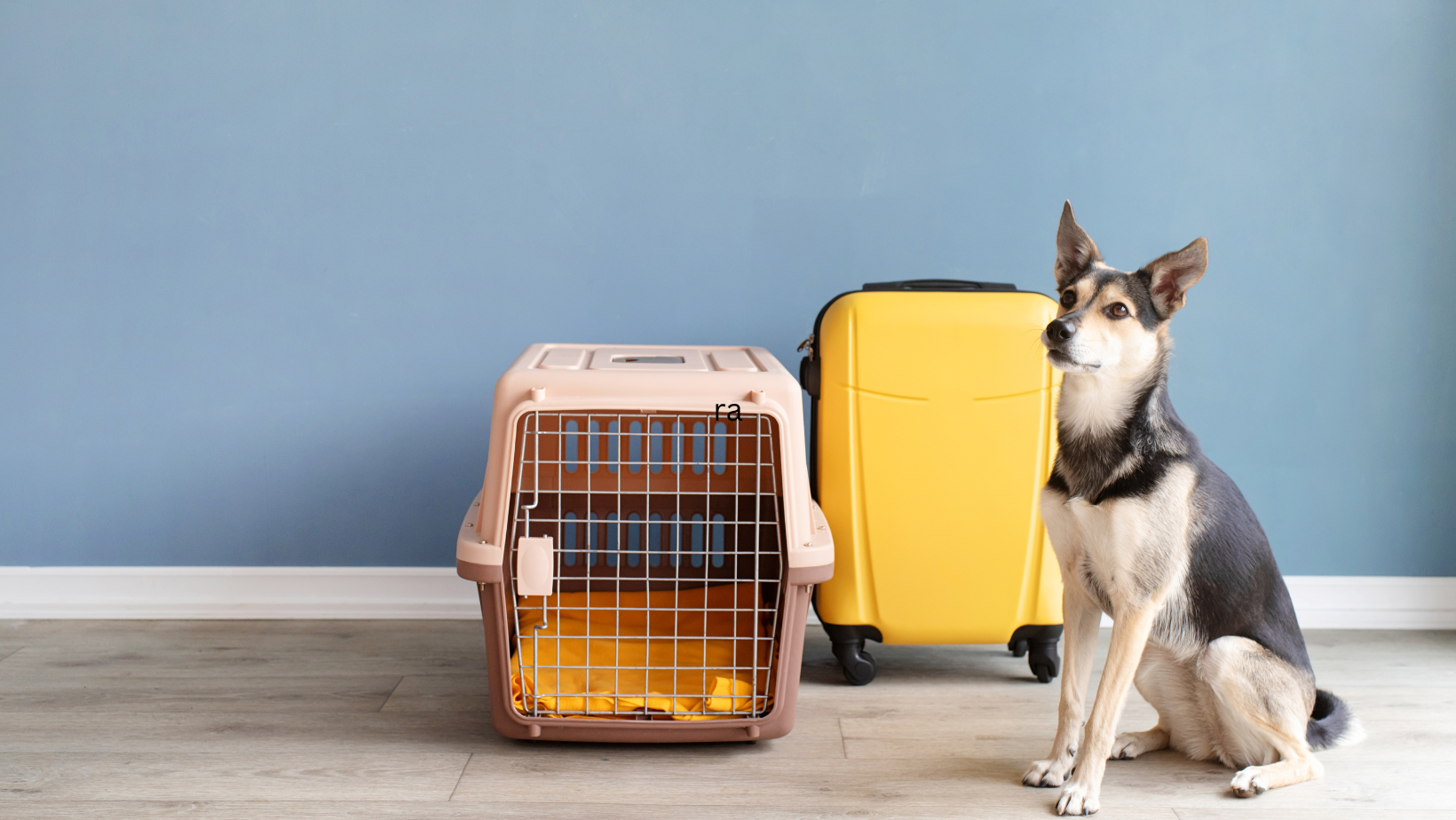
Check the 20°F floor first. If your departure city regularly sits below 20°F in your travel month, move the departure airport or the date. No letter fixes it.
Get the acclimation letter at the health certificate visit. Same vet, same day, one exact temperature on it. Ask the vet if they'll sign before you book the flight.
Book midday, not dawn. Winter is the one season where the early flight hurts you. The warmest forecast window is what you want.
Fly nonstop or connect south. A January connection through Dallas or Atlanta beats one through Denver or Minneapolis.
Build in de-icing time. Winter delays push crates past the 45-minute transfer limit. A longer connection is safer than a tight one.
Call the airline and confirm the embargo, then call again a week out. Policies change often and aren't always posted online.
Have a Plan B date. Cold snaps are called the night before. A flexible fare turns a cancellation into a reschedule.
If that's more moving parts than you want to manage in the middle of a move, our Co-Pilot Concierge tier sequences the vet visits, the letter, and the airline confirmations for you.
Common Winter Embargo Mistakes
Skipping the acclimation letter because the forecast looks fine. Forecasts move. The letter is free insurance at a visit you're already paying for.
Writing a range instead of a number. "Acclimated to cold weather" gets rejected at the counter. The airline wants "acclimated to 25°F."
Assuming the letter works below 20°F. It doesn't, on any US carrier.
Booking the 6 a.m. flight out of habit. That's the summer rule. In winter, the coldest hour of the day is the one to avoid.
Forgetting the southern hemisphere. A January flight to Australia or Argentina lands in summer heat.
Trusting the website over the phone. Winter policies change with the weather. Call, confirm, and note who you spoke to.
Winter Pet Travel FAQ
-
Yes. Cabin pets fly year-round with no temperature rules. Hold and cargo pets can fly when every airport on the route is forecast above 45°F, or between 20°F and 44°F with a vet's acclimation certificate. Below 20°F, almost no airline will load a pet.
-
A letter signed by a licensed vet stating your dog is acclimated to a specific low temperature, between 20°F and 44°F. It attaches to the health certificate and lets the airline accept the pet on a cold day.
-
Below 45°F without an acclimation letter. Below 20°F with one, on American, Alaska, Hawaiian, Air Canada, and Aeromexico. Delta's hard floor is 10°F.
-
Yes. From November 1 through March 31, Delta won't accept pets as checked baggage on flights to or from Sun Valley, Twin Falls, or Jackson Hole, and it refuses hold pets anywhere when the forecast is below 10°F.
-
Yes, three of them. From November 15 to January 10, no checked or cargo pets on its regional flights numbered 2000 to 2999 and 3300 to 3499. On Hawaii routes, no checked pets in February, and only one pet per aircraft from November 1 to January 31 and March 1 to April 1. Alaska also calls short-notice cold-weather embargoes at individual airports when the forecast drops, so confirm by phone the week of travel.
-
Lufthansa, KLM, and Air France don't publish a cold cutoff, and their hub animal facilities are indoors. That said, the US departure airport still has to pass the US carrier or ground handler's check, so get the acclimation letter and confirm with the airline by phone.
-
For Europe, Mexico, and the Caribbean, usually yes. The destination end passes every check, and the only risk is a cold snap at a northern US airport. Hawaii is weather-safe in winter but capacity-limited on Alaska Airlines, so book early and skip February. For Australia and South America, winter here means summer there, so both rules apply.
The Bottom Line on Winter Pet Flights
Winter is the easier season for most hold pets, as long as you respect the two numbers: 45 with a letter, 20 without exception. Get the letter at the vet visit you're already booking, fly midday, connect south, and confirm it all by phone. For the summer version of this map, check out our airline heat embargo guide.
The paperwork is the hardest part. We've got it covered.
— Mia + Poppy
