
Is Italy the Most Dog-Friendly Country? What to Know Before You Travel to Italy With Your Dog (2026)
Last updated: October 2026. By Mia Sgarlato, founder of Pet Passport Club
If you want to travel to Italy with your dog, you're picking one of the easiest places in Europe to actually enjoy having a dog with you. Dogs sit under café tables, ride the train, and wander into shops like they pay rent. But "most dog-friendly country in the world" is a big claim, and Italy has its own rules that catch Americans off guard.
Short version: Italy is extremely dog-friendly in daily life, but it isn't a free-for-all. Restaurants and trains mostly welcome dogs; museums and many summer beaches don't. To travel to Italy with your dog from the US, you need an ISO microchip placed before the rabies vaccine, a 21-day wait after a first rabies shot, and an EU health certificate endorsed by USDA within 10 days of arrival.
Who this is for: This is for US owners who want to travel to Italy with a dog, for a short trip or a longer stay, especially first-timers.
Is Italy Dog Friendly? The Honest Answer
Yes, with an asterisk. Italy's dog culture is real, but a lot of the rules are set locally, so what's normal in Rome might not fly on a beach in Liguria. Poppy has been to Rome and the Vatican (yes, she was photographed there dressed as the Pope), but this post sticks to the rules, because the rules are what make or break any trip to Italy with your dog.
Where Italy Is Genuinely Dog Friendly
Restaurants and cafés. Under guidance validated by the Italian Ministry of Health, dogs are generally allowed in the public areas of bars and restaurants. Owners can refuse, and some towns require a visible sign if they do. Kitchens are always off-limits.
Shops. Plenty of boutiques let leashed dogs in. Grocery stores are more hit or miss, so look for a sign at the door.
Trains and transit. Small dogs in a carrier ride free on Trenitalia, and dogs commonly ride city buses and metros when leashed with a muzzle on hand.
Outdoor spaces. Piazzas, parks and old-town streets are basically built for dog walks.
Where Italy Is Less Dog Friendly
Muzzle and leash rules. A national ordinance, renewed every year since 2013, requires a leash no longer than 1.5 meters in urban areas and places open to the public. You also have to carry a muzzle and put it on if there's a safety risk or an official asks.
Museums and monuments. The Vatican Museums don't admit animals, even small ones, except guide dogs and certified therapy animals. The Colosseum is off-limits too, though small dogs in a carrier have been allowed in the open areas of the Roman Forum and Palatine since 2023.
Beaches. There's no national ban, but many towns ban dogs from public beaches during bathing season (roughly May through September). Dedicated dog beaches, often called "bau beach," are the workaround.
Regional variation. Restaurant rules, beach bans and registration deadlines can all change by city or region. Check locally before you assume.
So is Italy the most dog-friendly country in the world? For daily life, it's close. For museums and August beach days, not so much.
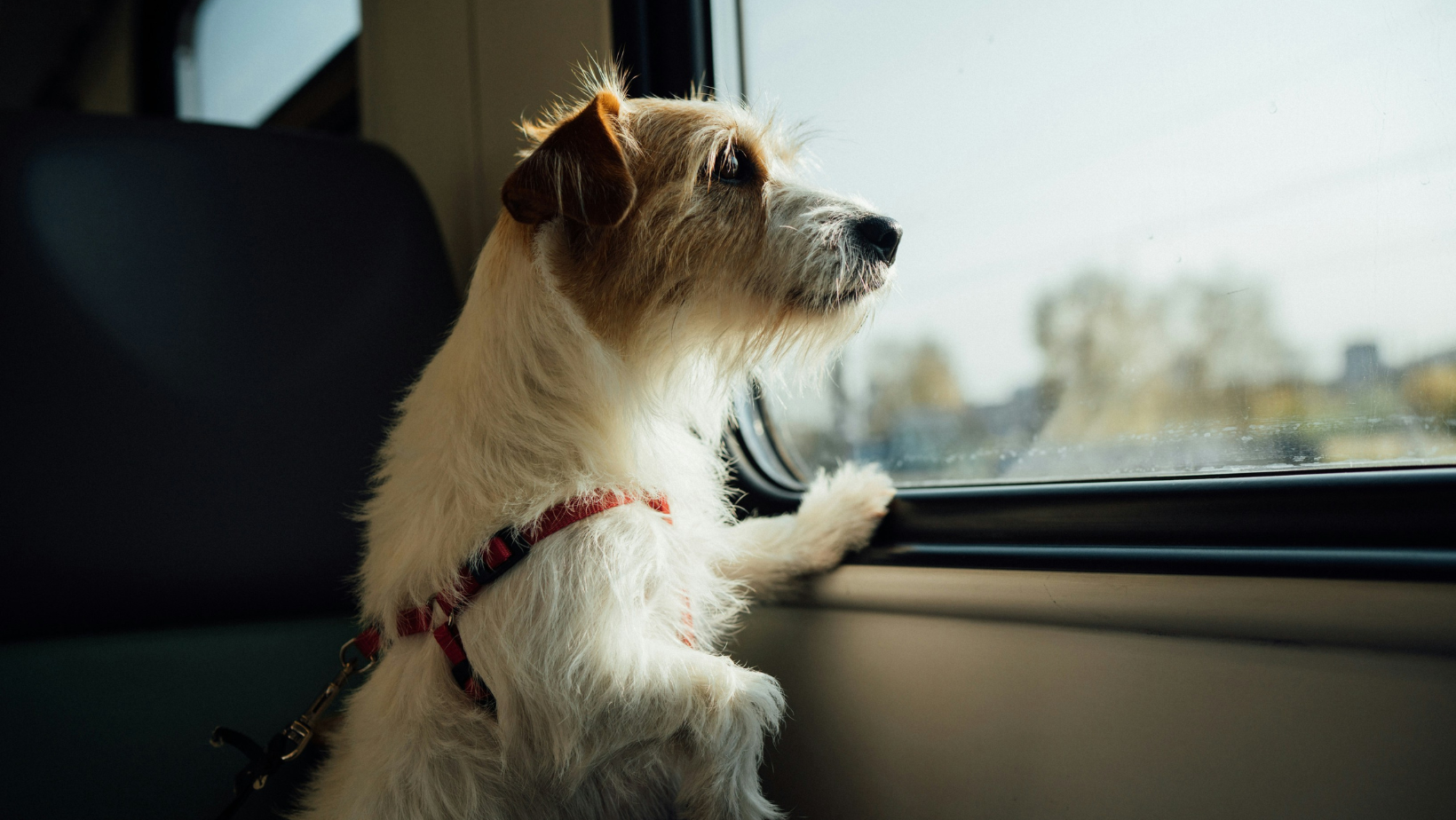
Dog-Friendliness in Italy by Setting
Here's how the rules shake out in the places you'll actually go when you travel to Italy with a dog.
Swipe to see more →
| Setting | Dogs allowed? | The rules to know |
|---|---|---|
| Restaurants and cafés | Usually | Allowed in dining areas unless the owner says no; never in kitchens; leash required |
| Trenitalia trains | Yes | Small pets free in a carrier up to 70 x 30 x 50 cm (one per passenger); larger dogs need a pet ticket, leash and muzzle; no restaurant or bar cars |
| Italo trains | Yes | Small dogs free in a carrier; larger dogs need a paid dog ticket, booked in advance, with a leash and a muzzle for boarding |
| Beaches | Depends on the town | Many public beaches ban dogs in summer; dog beaches allow them; fines can run €50 to €500 |
| Hotels | Often | Policies and pet fees vary by property, so confirm in writing before booking |
| Museums and monuments | Rarely | Vatican Museums and Colosseum: no pets; Roman Forum and Palatine: small dogs in a carrier only |
The takeaway: getting around when you travel to Italy with your dog is easy, but sightseeing takes planning, so budget for a sitter or a split day if the big museums are on your list.
Trenitalia and Italo Dog Rules in More Detail
Trenitalia's dog policy lets larger dogs ride in first and second class on national trains, but not in quiet areas or working areas. Staff can ask for your dog's documents, which for visitors means the health certificate or pet passport. Large-dog tickets are cheap on Frecce and Intercity, and regional trains usually charge about half a second-class fare.
On Italo, large dogs need a dedicated ticket (Italian press reported prices from around €40 in 2026). Italo's "small dog" cutoff has changed over the years, so confirm yours qualifies before you show up with a carrier.
Pet Travel to Italy Requirements From the US
When you travel to Italy with your dog from the US, standard EU rules apply, and no rabies titer test is required. The USDA APHIS page for Italy is the official source, so read it before you book anything.
Here's what your dog needs:
ISO microchip first. It has to be implanted before the rabies vaccine, and your vet must scan it before giving the shot. A non-ISO chip means bringing your own scanner or adding a second chip.
Rabies vaccine. A first (primary) rabies shot comes with a 21-day wait before entry. A booster given while the previous vaccine was still valid has no wait.
EU health certificate. Your USDA-accredited vet completes the non-commercial certificate, and USDA has to endorse it within 10 days of your dog's arrival in the EU. The original endorsed certificate travels with your dog.
Pet count. Up to five dogs can travel under non-commercial rules when the owner or a designated person accompanies them.
One 2026 update: new EU legislation replaced the old rules this spring, and APHIS says updated non-commercial health certificates are required starting October 1, 2026. If your vet still has an old template saved, that's a problem.
Entry Points, Flights and Cabin Limits
When you travel to Italy with your dog from outside the EU, you have to enter through a designated travelers' point of entry. Rome Fiumicino and Milan Malpensa are on Italy's list, but the Ministry of Health updates it, so confirm your airport before you book.
ITA Airways' in-cabin pet policy caps cabin pets at 8 kg including the carrier on international flights, US routes included (12 kg applies only on domestic Italian flights). The carrier max is 55 x 40 x 23 cm, and you have to buy your dog's ticket at least 48 hours ahead. ITA's newer Large Dog on Board service covers domestic Italian flights only; we cover it in a separate post.
Staying Longer: Italian Registration and Pet Passports
According to APHIS, the US health certificate covers travel within the EU for up to 6 months from entry, as long as the rabies vaccine stays valid. If you travel to Italy with your dog for months or move there, the rules shift:
Register your dog locally. Residents need to register their dog's microchip in the regional pet registry (anagrafe canina) through the local health authority or a vet. Deadlines vary by region, and missing one can mean a fine.
Get an EU pet passport (passaporto per animali da compagnia). An authorized Italian vet can issue one, which makes travel to other EU countries much simpler than a new US certificate each time.
Coming Home From Italy With Your Dog
Dogs coming back from Italy, which the CDC treats as low-risk for dog rabies, need the CDC Dog Import Form, a microchip, and to be at least 6 months old. The CDC's requirements for low-risk countries let you show the receipt on your phone, and it's valid for 6 months as long as your dog hasn't been in a high-risk country.
How to Travel to Italy With Your Dog, Step by Step
Here's the order to follow when you travel to Italy with your dog, ideally starting two to three months out.
Check the microchip. Confirm it's ISO and was placed before the current rabies vaccine. If not, fix that first.
Sort out rabies timing. If your dog needs a primary vaccine, give it at least 21 days before arrival.
Book the flight around your dog. Confirm cabin weight (8 kg with carrier on ITA's international routes), carrier size and a designated entry airport.
Book the vet visit. Schedule it so USDA can endorse the certificate within 10 days of arrival, and make sure your vet is using the October 2026 version.
Get the USDA endorsement. Leave buffer days for shipping or appointment delays.
Plan the trip around local rules. Pack a muzzle and a leash of 1.5 meters or less, check beach and hotel policies, and plan museum days without your dog.
Prep the return. Fill out the CDC Dog Import Form before you fly home.
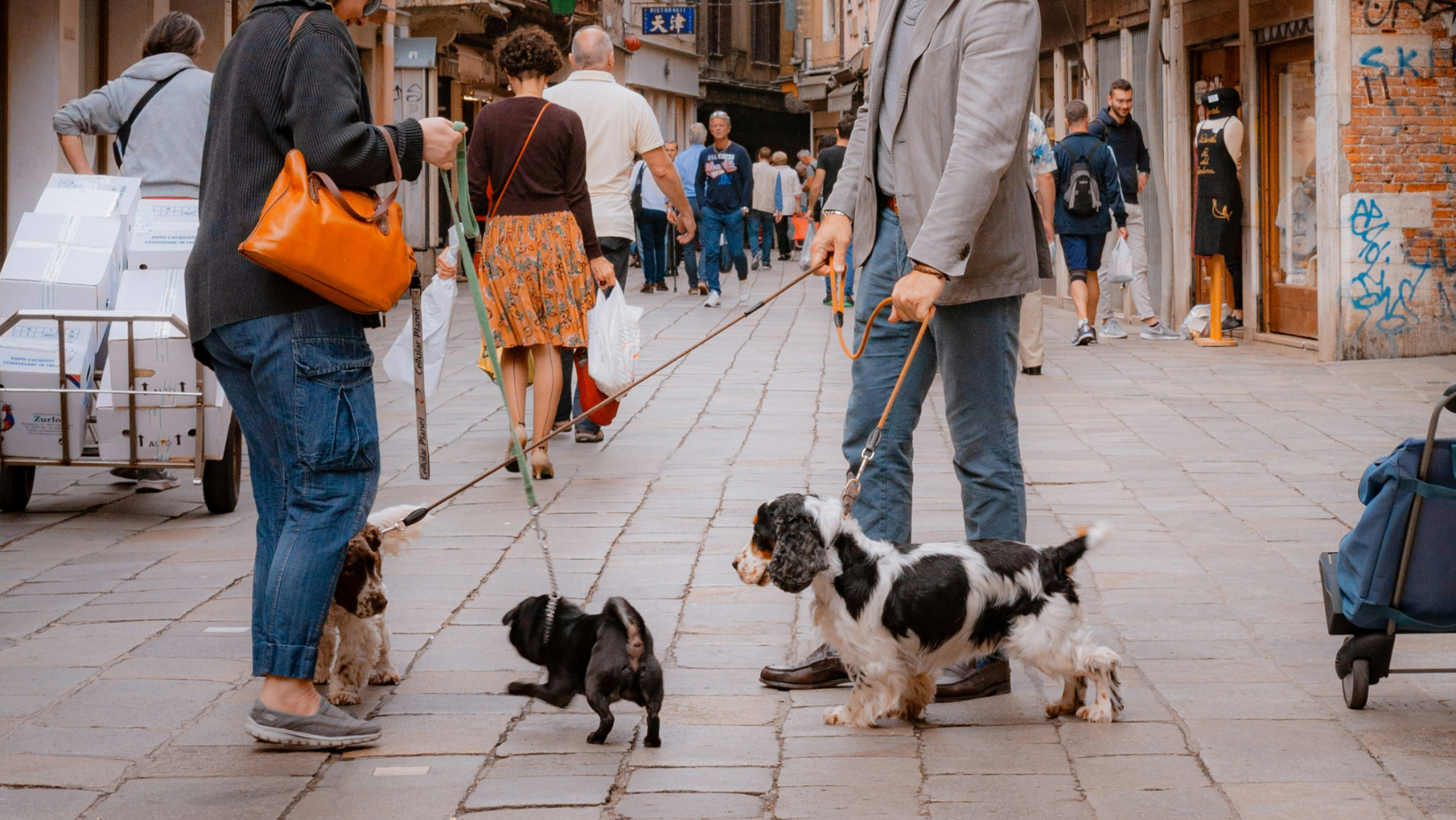
Common Mistakes Owners Make With Pet Travel to Italy
Vaccinating before microchipping. If the chip went in after the rabies shot, the vaccine doesn't count for EU entry and the clock restarts.
Missing the 10-day window. Endorsing too early is one of the most common reasons paperwork gets rejected.
Using an outdated certificate. With the new EU certificates required from October 1, 2026, an old template can sink the whole trip.
Assuming every beach is fine. Summer bans are local, signposted and enforced with fines.
Overestimating the cabin limit. 8 kg includes the carrier, which leaves a lot less dog than people think.
None of this makes it hard to travel to Italy with your dog. It's the sequencing that trips people up. Our EU pet travel guide lays out the timeline in order, and if you'd rather have someone check every date with you, our Co-Pilot Concierge tier was built for exactly this.
Travel to Italy With Your Dog: Common Questions
-
Yes. When you travel to Italy with your dog from the US, there's no quarantine or titer test as long as your dog has an ISO microchip, a valid rabies vaccine with the 21-day wait if it's a first shot, and a USDA-endorsed EU health certificate.
-
You're required to carry one in public, and your dog has to wear it if there's a safety risk or an official asks. Large dogs on Trenitalia need to wear one for the whole ride.
-
Not inside the Vatican Museums. Only guide dogs and certified therapy animals are admitted, and the museums ask for notice at least a day ahead.
-
It depends on the town. Many public beaches ban dogs in summer, while dedicated dog beaches welcome them. Look for posted ordinances, because a valid ban should be signposted.
-
A CDC Dog Import Form receipt, a microchip, and a dog that's at least 6 months old and looks healthy on arrival.
Planning Your Trip to Italy With Your Dog
Italy rewards people who travel with their dogs. The trains are easy and the cafés are welcoming. The parts that go wrong happen before you leave: the microchip order, the vaccine wait, the 10-day endorsement window and an airline weight limit that doesn't bend. Get those right and your trip to Italy with your dog gets to be what it's supposed to be.
Because your job is to enjoy the trip, ours is to help you get there.
— Mia + Poppy
